A computer vision-based AI system for comprehensive neurological examinations, cognitive performance assessments, and frailty screenings—using deep neural networks and passive audiovisual analysis across ICU, inpatient, outpatient, and home settings.
NeuroCheck AI is a computer vision-based, AI-powered system designed for conducting comprehensive neurological examinations, cognitive performance assessments, and frailty screenings. Using deep neural networks—including convolutional neural networks (CNNs) for movement recognition and recurrent neural networks (RNNs/LSTMs) for temporal analysis—our platform automates the assessment of cranial nerve function, motor strength responses, and cognitive performance.
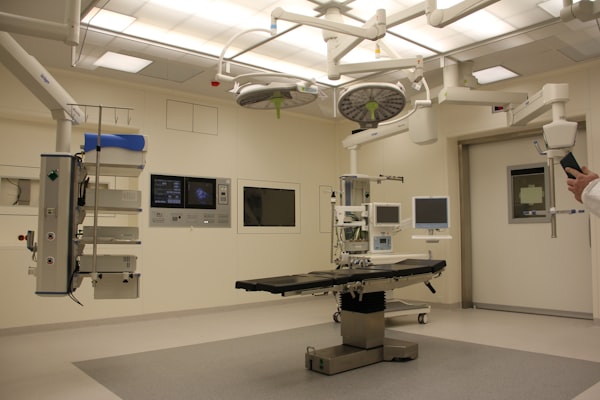
The system continuously monitors patients using multiple room-mounted cameras and a tablet/smartphone interface with audiovisual capture, integrating with electronic health records (EHR) and a personal digital health binder for long-term outcome tracking and predictive analytics across ICU, inpatient, outpatient, and home settings.
AI-powered algorithms for assessing neurological and cognitive parameters through passive computer vision analysis and standardized clinical protocols.
AI-powered assessment of cranial nerve function, motor responses, and cognitive performance through passive computer vision. Includes automated Glasgow Coma Scale (GCS) scoring and cranial nerve testing (CN II–XII).
Passive computer vision frailty assessment using Clinical Frailty Scale (CFS), Timed Get Up and Go (TUG), temporalis muscle thickness for sarcopenia detection, and fall risk scoring via the Hopkins Fall Risk Assessment Tool.
Continuous audiovisual monitoring for early delirium detection using CAM-ICU-7 and ICDSC scoring tools. Automated RASS assessment for intubated or sedated patients, with real-time EHR integration for mental status updates.
A dual-camera and multi-camera system with AI-powered assessment models, designed to operate across pre-operative, intra-operative, post-operative, and home environments.
Our technology is built on patented AI assessment methods with continuous monitoring and long-term data tracking capabilities.
Structured baseline interviews assess depth and breadth of knowledge on patient-selected topics. Quarterly cognitive check-ins compare responses to baseline data to detect decline or improvement over time.
Pre-operative, peri-operative, and post-operative neuroexamination data stored and analyzed with deep neural network analytics to predict and score surgical difficulty. Time-based follow-up tracking at 3, 6, 9, and 12 months.
NLP extraction of key information from radiology reports, reverse-engineered into VR visualizations. Predictive analytics using historical assessment data to forecast long-term patient outcomes with unique patient identifiers (UPI).
Bringing together neurosurgical expertise, clinical research, and AI engineering from Hurley Medical Center's Neurological Center of Excellence.
Director of Neurosurgery & President of the Michigan Association of Neurosurgeons. NYU School of Medicine, fellowship in complex & minimally invasive spine surgery at Swedish Neuroscience Institute. 45+ peer-reviewed publications. Board Certified Neurosurgeon.
Director of Neurosurgical Oncology & Associate Professor at Hurley Medical Center. Georgetown University, fellowship at Swedish Neuroscience Institute. 2019 NREF Young Clinical Investigator Award. 125+ publications. Founder, Bowers Neurosurgical Frailty & Outcomes Data Science Lab. Patent inventor.
B.S. in Information Technology from Northern Arizona University. Former Division I Baseball at the University of Connecticut. Former owner of Frozen Ropes Baseball & Softball Training Center. Platform architect for NeuroCheck AI's computer vision and deep learning pipeline.
Whether you're a clinician, researcher, hospital administrator, or investor—we'd love to connect and discuss how NeuroCheck AI's patented assessment technology can support your clinical and research goals.
Fill out the form and our team will respond promptly.